


Jim and Becky
Meet The Mullanes
Owners and operators

From apples to wine or anything in between, Becky said it is the people who have made it all worth it.
“We have an occupation that is so happy and fun, We enjoy seeing people happy here while giving them something to enjoy and look forward to." -Becky
Jim and Becky

Becky and Jim had three beautiful children.
As the Mullanes transitioned to WI the children became part of the orchard operations, and for a few the orchard became their life and future.

As the Mullanes navigate this exciting chapter, their commitment to quality, innovation, and community remains unyielding. Join Dixon’s Apple Orchard and the Mullanes in the now as they savor the sweetness of fresh apples, celebrate joyous occasions, and carry forth the enduring tradition of Dixon’s Apple Orchard.
As the Mullane family continues to grow in Wisconsin, they hope families will make a stop at Dixon’s Autumn Harvest Winery for a glass of wine, entertainment, apples, or your next party. Or, they’ll hope to see you at Dixon’s Apple Orchard for a wedding or photo shoot. Whichever location we see you at, you’re sure to experience the elegance of peaceful country living at Dixon’s.

OUR HISTORY

2021

Dixon’s acquired Autumn Harvest Winery, expanding their orchard and adding wine production and a processing venue.

2014
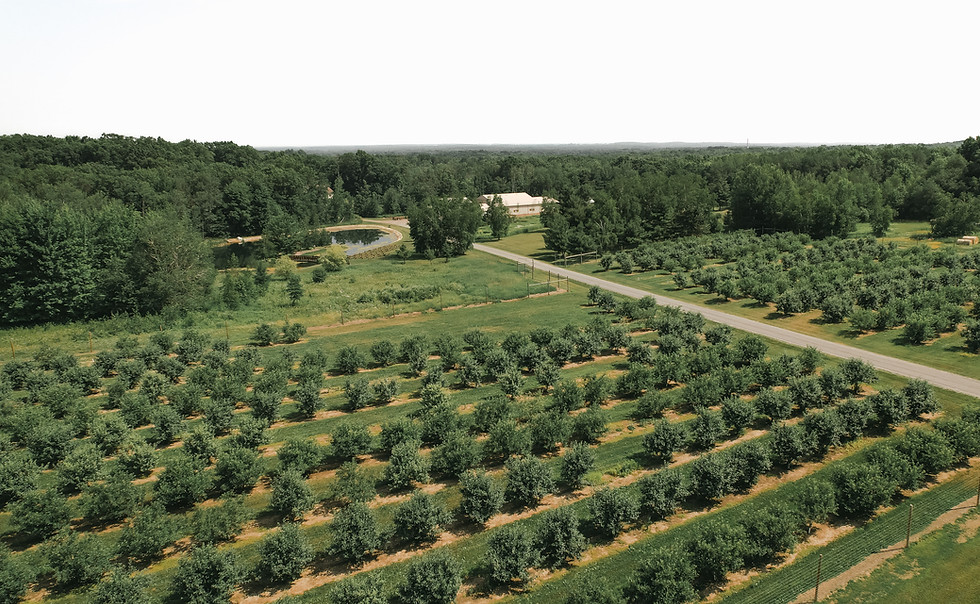
The family sold the New Mexico orchard land and moved their operation to Cadott, Wisconsin.

1944

Fred & Faye Dixon moved with their family to Peña Blanca, New Mexico, and began developing an orchard on a former dude ranch

1964
The ranch land was gifted in trust to the University of New Mexico; the Dixons continued leasing and expanding apple production.
1986
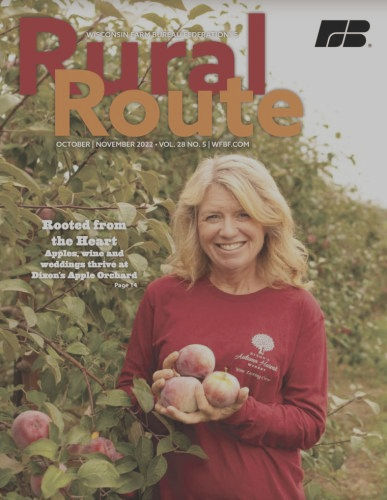
Becky (their granddaughter) came into the family orchard business as a child.
1993
Becky married Jim Mullane in the orchard, beginning the next generation of family leadership.
.jpg)
2019
2015

The Mullanes planted ~2,000 new apple trees in Wisconsin, including the family’s patented Champagne apple variety.
2022

First Applepalooza in Duluth, MN
Dixon's apple started being sold at Duluth Wholefoods
2025
From our patented Champagne Apples to Autumn Harvest Winery, sold-out wedding seasons, and apple events across the country, the Mullanes continue to grow their family orchard legacy far beyond the Chippewa Valley, while staying deeply rooted in the hearts of their local community.


Our wine is sold in over 65 retail locations across WI

Our wedding venue hosts over 70 weddings each year
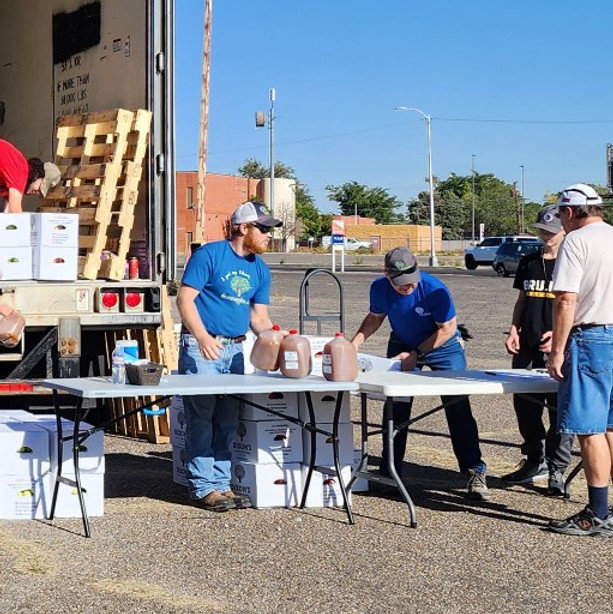
We currently take 3-4 full semi-truck loads of apples to New Mexico each year!

Applepalooza in Duluth moves locations to the Duluth Entertainment Convention Center to accommodate the large number of attendees.


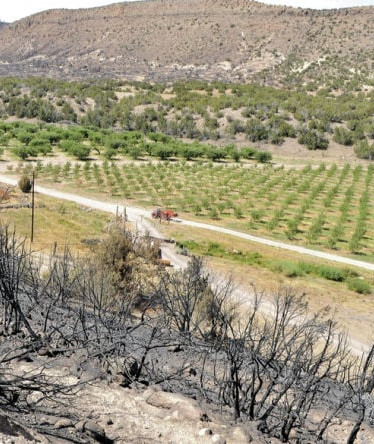
The Los Conchas Wildfire, and devastating flooding destroyed most of the orchard and buildings, leading the family to end operations in New Mexico.
2011

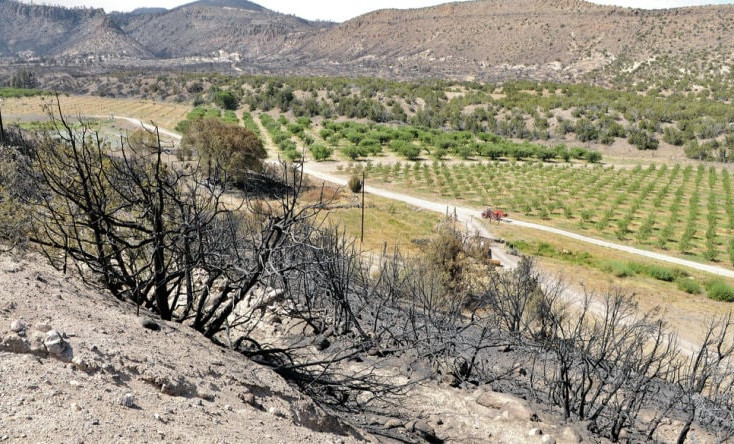

The orchard in Wisconsin began producing apples and hosting harvest events, weddings, and other activities.

Dixon's apples continue to serve the New Mexico community 2019 was the first trip back to New Mexico to deliver the unique flavor of the Champagne apple.


2026

2024
this is a weekly market that we are usually at End Aug - Mid ocotber

The Famous
Champagne
Apples

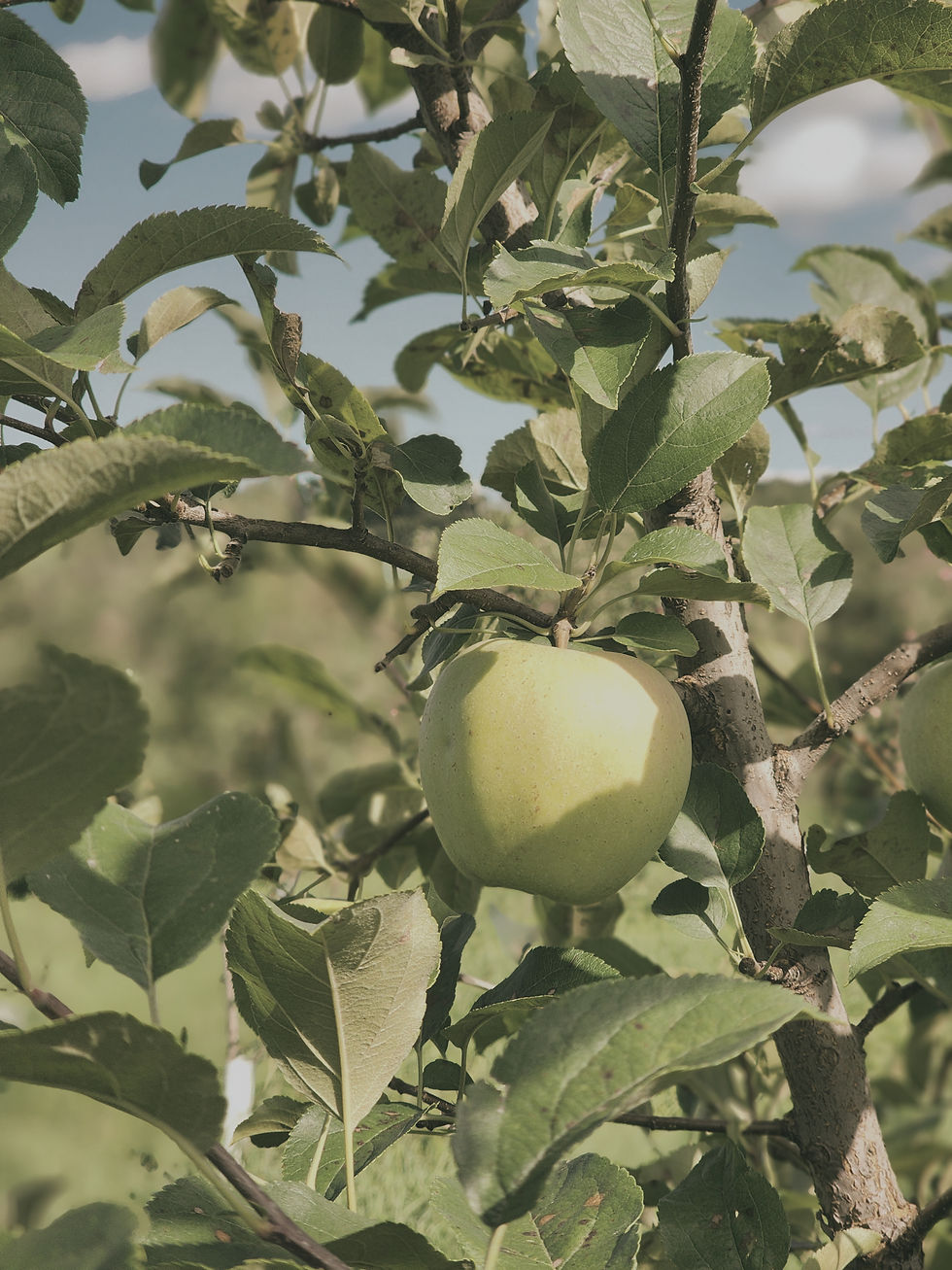
Dixon’s is home to our world-famous Champagne apples
This variety was discovered and grown first by Fred Dixon. "This golden apple with a hint of blush is a firm, good keeper".
The Champagne Apple is patented under the Dixon name.
Our orchards are the only place you will find them!

Delivering Champagne apples all across the country
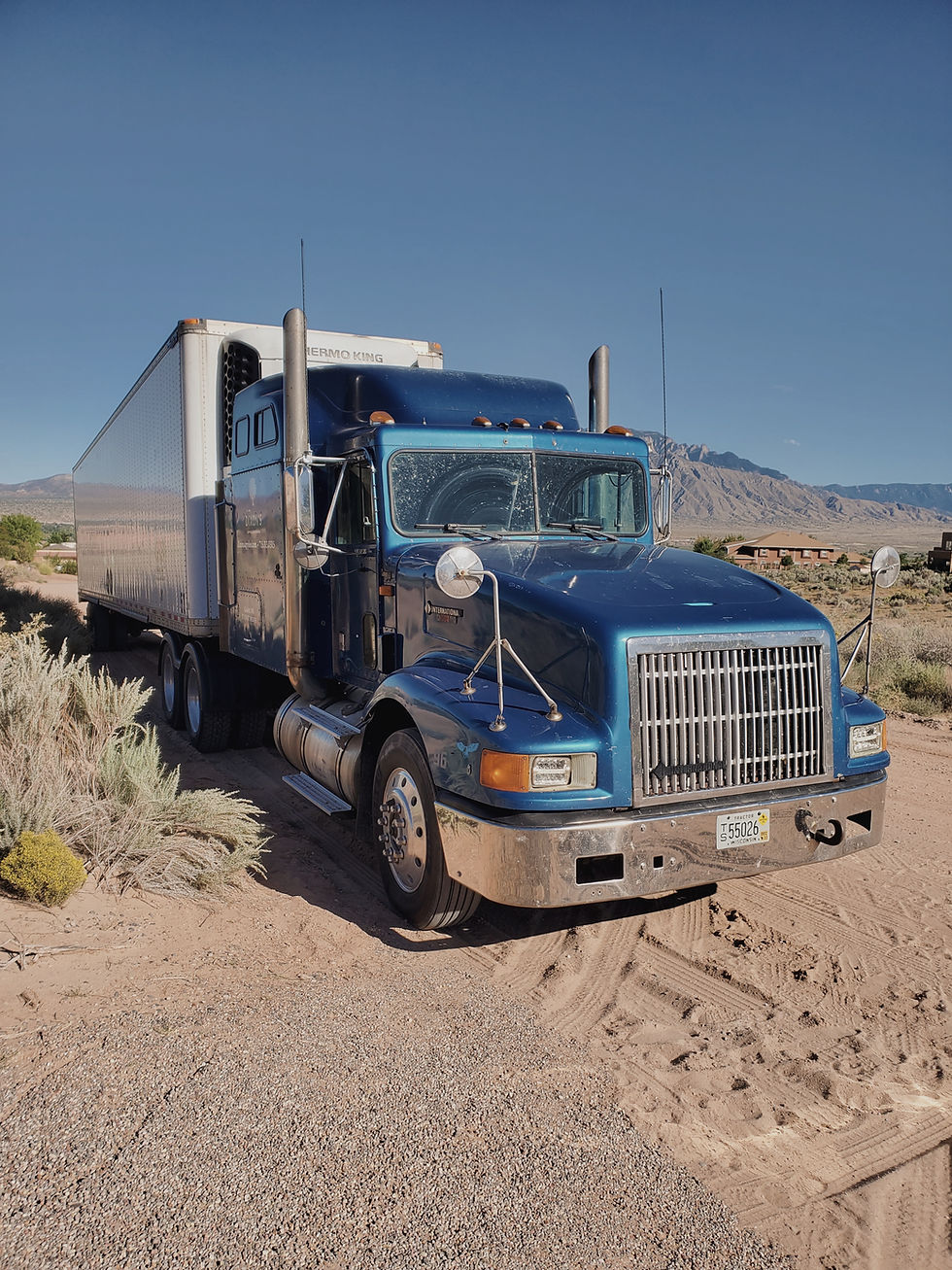
New Mexico
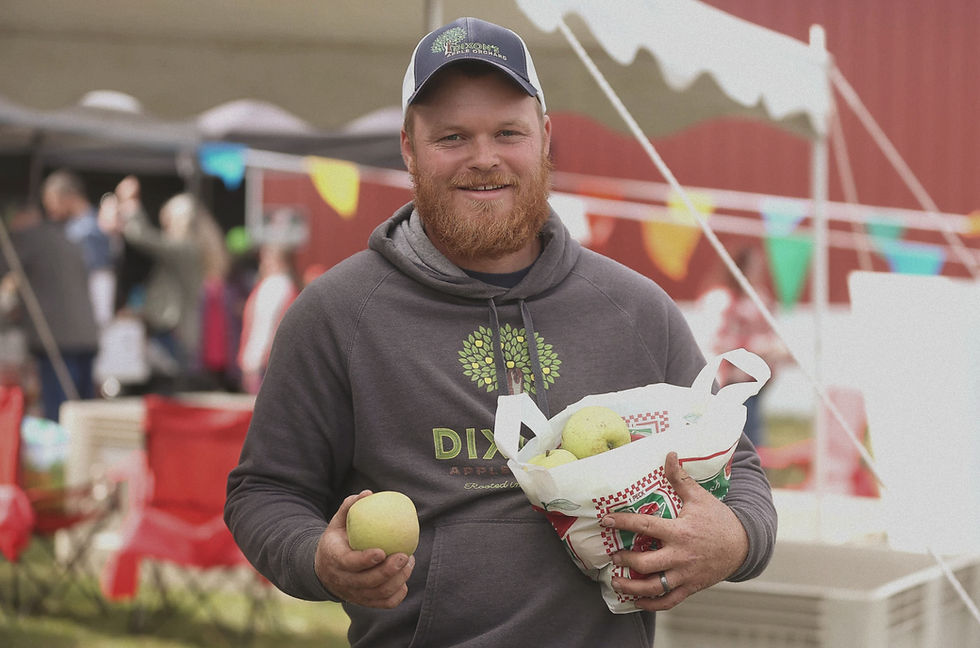
Duluth, MN

History of the New Mexico Chamagne Apple
This variety was discovered by Fred Dixon and grown in the original orchard in New Mexico.




The wild roots of the Chamagne tree
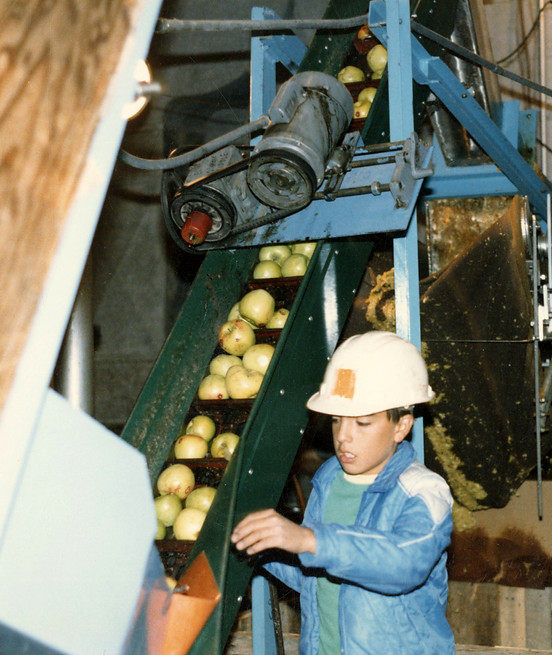
The Champagne apple was discovered in the 1940s by Fred Dixon as a wild tree in a New Mexico canyon, which he then developed on his ranch. It became a popular regional staple before the family relocated, following a 2011 wildfire, to Cadott, Wisconsin, where they now grow it exclusively


Why the bear?
Fred Dixon, the founder of Dixon’s Apple Orchard and grandfather of current owner Becky Mullane, told his family many stories about his life. The bear story below was one of their favorites, and it inspired the bear inside the logo.
At the time, Fred and his wife Faye were living and working at La Canada in New Mexico, where they had built Dixon’s Apples—known simply as “The Ranch.” Faye, his lifelong partner and the matriarch of the family, was seriously ill. After being up much of the night caring for her, Fred rose early to shut off the irrigation pumps in the orchard. He had recently seen a coyote he feared might have rabies and intended to track it down before it could harm anyone during harvest season.
Armed with an M1 carbine, Fred headed into the upper orchard. The foreman, Fidel Comacho, insisted on joining him. As they walked near a peach orchard—where trees had been torn apart by a known bear in the area—Fidel went ahead to see if any peaches remained. Suddenly, a large brown bear burst from the brush and charged him.
Fred tried to intervene but hesitated to shoot for fear of hitting Fidel. Instead, he ran between them, hoping to scare the bear away. The bear did not retreat. It grabbed Fred by the arm, lifted him off the ground, and shook him violently. Though battered and losing his glasses in the struggle, Fred fought back, even attempting to force his hand down the bear’s throat—a tactic he had once read about.
When Fidel returned to help, the bear turned toward him. Fred struck the animal in the nose, drawing its focus back to himself. Amid the chaos, Fred carefully instructed Fidel on how to operate the rifle without accidentally ejecting the ammunition clip. With Fred steadying the gun, Fidel fired thirteen shots, several piercing Fred’s fallen hat, until the bear collapsed. Fred then reloaded and delivered a final shot behind the ear to ensure it was dead.
Injured and bleeding heavily—requiring more than seventy stitches—Fred was driven to the hospital by Faye, who, despite her illness, had emerged from the house neatly prepared as always. Doctors treated him and tested the bear for rabies, which it did not have. In the days that followed, law enforcement and game wardens arrived at the ranch, and even amid his pain, Fred managed to joke about whether he had a hunting license.
The attack left lasting damage to his arm and hand, including evidence of broken teeth marks where he had struck the bear. Yet in telling the story, Fred focused less on the injury and more on the resolve it required—protecting others, staying calm under pressure, and acting decisively in the face of danger.

